
Local context
Precise entry details for a varied precinct
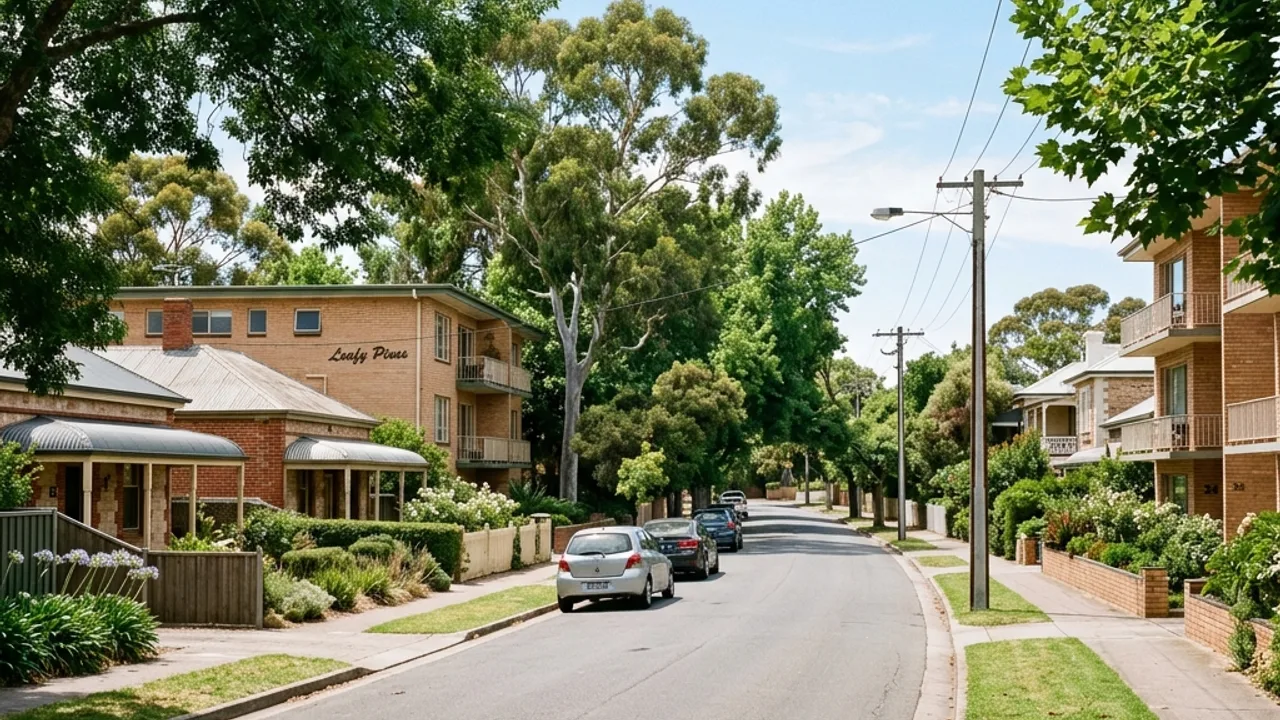
The rail station, Boggo Road and cemetery frame a locality with homes, units and institutional buildings. A contractor must know the actual site and permission route before discussing scope.
The first question
What entrance, site contact and isolation arrangements apply?
State whether the work is inside a residence or managed tenancy, where the electrical board is and if access is restricted. A rail-adjacent address is context, not a diagnosis.
What to describe in Dutton Park
A site near Boggo Road may be a private dwelling or a managed workplace, so name the entrance and responsible contact rather than relying on a map pin. If work affects several occupants, ask who may approve isolation and how they will be notified. A small residential replacement needs a different access plan from work in a controlled tenancy. The railway and institution precinct are orientation only, not claims about the property’s electrical condition.
A managed site may require sign-in, induction or a specific authorised contact, while a house may need only an agreed entry time. Tell the provider which applies, where the board is and whether other people would lose power. If the job is a recurring fault, record the event history without opening equipment to gather more detail. If it is a planned installation, describe intended use and available access. Ask what the initial scope includes and how any finding that changes the quote will be communicated for approval.
Two decisions to discuss with a licensed electrical contractor
A property near Boggo Road might be a residence, workplace or managed building. Give the actual entry point and site contact instead of assuming that the map pin is enough. If the request affects several occupants, identify who may approve isolation and how they will be told about it. A householder arranging a small fitting replacement may only need an agreed access time, while a managed tenancy could require sign-in or a specific contact. These are job-arrangement facts, not signs of a particular wiring condition. A contractor should inspect before choosing between repair, additional protection or a new installation.
For a recurring fault, keep a brief event log: what went off, when it happened and whether any equipment was in use. Do not dismantle a board to obtain more detail. Ask what diagnostic time is included and whether a later repair would be a separate approval. For planned work, list the intended load and exact room or exterior location, then ask whether the quote assumes an existing circuit. A rail-adjacent address does not justify an automatic outage allowance or special equipment. The written scope should connect the actual access arrangements to inspection, materials, testing and a process for explaining unexpected findings.
One question to take away
For a Dutton Park managed property, ask who will be present to grant entry, who can approve isolation and whether several occupants need notice. A contractor may quote an inspection based on access that is not actually available. Clear those details before comparing an investigation price with a fixed installation proposal.