
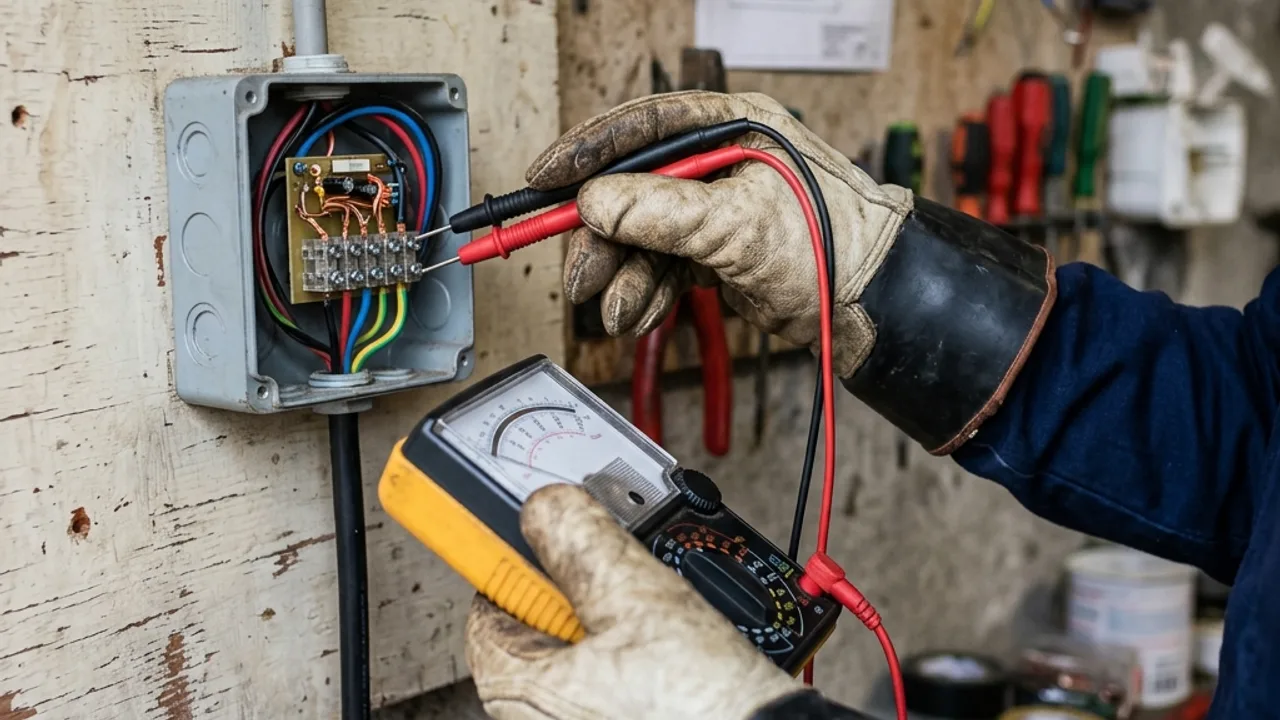
Why this job needs clarity
Start with what you can observe.
A single dark room, a group of dead outlets and a whole-property outage point to different starting questions. Note which switches or appliances were in use and whether the problem followed rain, water entry or recent work. If there is smoke, fire, electric shock or a fallen line, call 000. Do not repeatedly reset a protective device that keeps operating, touch damaged wiring or try to isolate a fault by opening fixed electrical equipment.
Before an attendance
Details that help an inspection.
A licensed person needs to establish the affected circuit and test safely before recommending repair. Tell them when the problem started, whether it is intermittent, what previous work was attempted and whether any water exposure is known. In an apartment, confirm whether the issue affects only your unit or a shared supply; do not assume the switchboard in your unit is the only relevant equipment.
For example, “three kitchen outlets stopped working after a protective device operated at 7 pm” is more useful than “the electricity is broken”. Add whether lighting and other rooms still work and whether any appliance or water event preceded it. That is an observation record, not a diagnosis. The electrician can decide what to test and explain the result.
Compare like with like
What to include in the scope.
Ask what the attendance or diagnostic scope includes. A useful explanation distinguishes the observed failure, tests performed, a necessary repair and optional improvements. If an upgrade is recommended, request the reason and a separate scope so a small fault is not automatically conflated with a full switchboard change. Testing after repair should be included in the discussion.
Work through the practical job trade-offs
Compare the actual electrical fault finding task.
If only one appliance triggers the problem, record the appliance and whether the circuit works without it; do not keep experimenting if there is heat, smell or visible damage. If several rooms lose supply together, note which lights and outlets remain usable. A contractor may need time to trace an intermittent condition, so ask whether the quoted attendance includes diagnosis only or a specified repair as well. A temporary restoration is not necessarily a permanent fix. Request a clear account of the cause actually established, any repair made, and what testing followed. If the cause was not found, ask what remains uncertain and what signs should prompt further action. Photographs of labels or the outside of a board may help identification, but no one should remove a cover to supply this website with a photo.
Before approving fault-finding time, ask how the contractor will report what has and has not been isolated. An intermittent problem may not appear during a brief visit, so clarify whether further investigation would be a new scope. Keep a timeline of affected circuits, protective-device operation and any recent building work. That record can prevent a vague “power keeps going off” request from becoming an assumed switchboard replacement. If immediate danger is present, emergency help comes before comparison shopping.
Your next decision
Ask a licensed electrical contractor about electrical fault finding.
An online description cannot establish the cause or whether a circuit is safe to use. If there is no immediate danger, describe the symptom and ask a licensed contractor to investigate. For shock, fire or fallen lines, call 000.
Queensland electrical emergency guidance ↗