
Why this job needs clarity
Start with what you can observe.
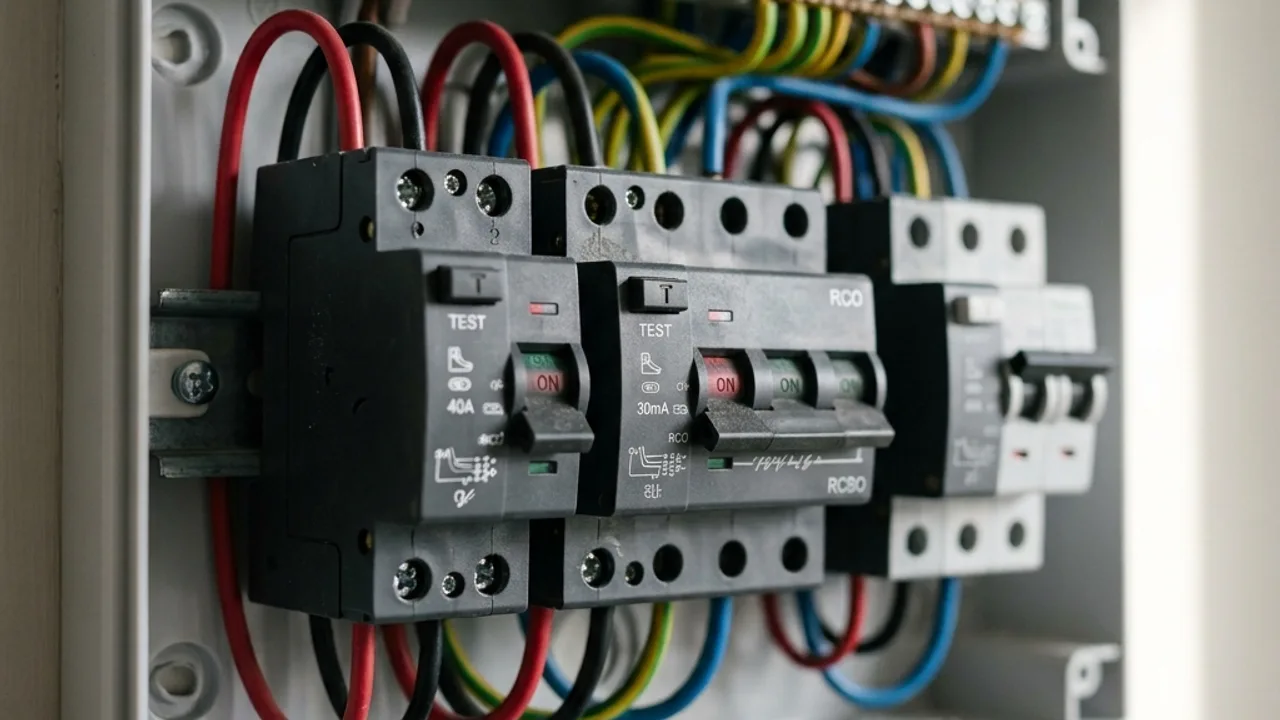
Owners and renters may be unsure which circuits are protected, whether a switch is missing, or what a tripping device means. The answer depends on the property and the applicable Queensland rules. A protective device operating is not proof that the device itself is faulty; connected appliances, moisture or wiring may also need assessment. Do not defeat the device to restore power.
Before an attendance
Details that help an inspection.
Record which circuit loses power, what was in use and whether the problem follows weather or a particular appliance. A licensed contractor can identify the covered circuits and perform appropriate tests. In rental property, notify the manager or owner through the proper repair path and use the Queensland Electrical Safety Office guidance for the relevant situation.
For example, if a device trips whenever a particular circuit is used, tell the contractor when it happens and what equipment is connected. Do not bypass the device, open the board or repeatedly restore supply to reproduce the event. The report may lead to appliance checks, wiring investigation or protective-device work; only testing can separate those possibilities.
Compare like with like
What to include in the scope.
Ask whether the job is testing an existing RCD, investigating trips or installing additional protection. These are not interchangeable descriptions. Confirm which circuits are covered, what testing and any required alterations are included, and how the contractor will explain a fault found during assessment. A switchboard upgrade may be separate from the initial safety-switch task.
Work through the practical job trade-offs
Compare the actual safety switches task.
When describing a trip, write down the exact device if its label is visible without opening a cover, the time it operated and what was running. The pattern can help the licensed person plan tests but does not identify the cause by itself. An appliance that appears to coincide with a trip may be one factor, while a wet fitting or wiring fault may call for a different response. Do not bypass the protective device or repeatedly reset it to keep using a circuit. For a rental home, distinguish reporting a fault from requesting new protection; the owner or manager should receive the relevant details through the proper channel. Ask the contractor to explain what circuits were tested, what protection exists afterwards and whether further work has been recommended rather than completed.
Separate three possible requests when contacting a contractor: test existing protection, investigate a device that operates repeatedly, or add protection to a circuit. The price and work may differ even though all three involve a safety switch. Record the visible device label and affected rooms only if it is safe to do so. Ask what testing establishes the result and whether any related wiring repair is included. A reset that restores power does not establish that the underlying condition is resolved.
Your next decision
Ask a licensed electrical contractor about safety switches.
If shock, fire or fallen lines present immediate danger, call 000. Otherwise, use official safety guidance and ask a licensed contractor to investigate repeated trips; a reset does not prove the fault has cleared.
Queensland safety-switch guidance ↗