
Local context
Ceiling access and steep-site details
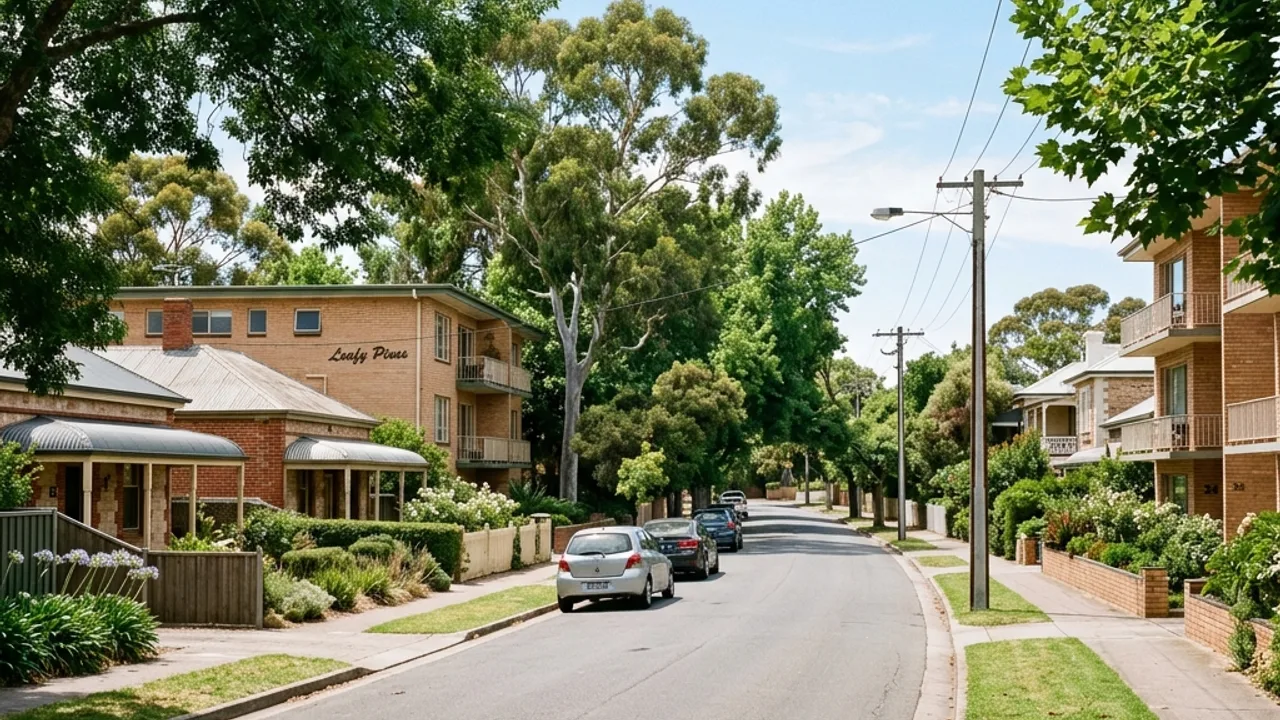
Dornoch Terrace and Gladstone Road make this a useful place to ask about property entry and working height. The age or condition of wiring cannot be inferred from a heritage-looking facade.
The first question
What is the ceiling type and how is the work area reached?
For lighting and fans, list existing fittings, access to roof space and any difficult entry. For faults, describe the affected circuit rather than presuming the building is old-wired.
What to describe in Highgate Hill
A lighting request on Dornoch Terrace benefits from a photo of the ceiling and fixture, plus the intended fitting and control. A steep driveway or difficult parking area may affect how tools reach the property, so include practical entry details. Do not label a circuit unsafe because a house looks old from the street. A contractor needs to inspect the actual wiring and protection before advising on repair or replacement.
A ceiling fan question should name the fitting already present, the proposed product, ceiling material if known and any difficult roof access. A fault brief is different: record the affected rooms, when the symptom began and any recent work. If a sloping block complicates entry, give practical parking or path directions rather than expecting the contractor to infer them from a map. A written estimate should distinguish supply, support, controls, testing and possible variation. Only an on-site inspection can establish the condition of fixed wiring.
Two decisions to discuss with a licensed electrical contractor
A ceiling fan on a steep-site property is not just a product choice. Describe the existing fitting, ceiling material if known, proposed fan model and how a worker can reach the room and roof space. A narrow driveway or steps may affect moving equipment; tell the contractor what you have observed without treating the street or facade as evidence of old wiring. If a light is flickering, keep that symptom separate from the wish for a new fitting. Replacement might not address an underlying fault. Ask whether the first visit includes investigation of that symptom before a product installation is priced.
For a Dornoch Terrace home with several lighting changes, a room list and photos of the current fixtures can make the conversation specific. They cannot show what is behind the ceiling. A written proposal should state who supplies the fan or light, whether new support or controls are included, what access is assumed and how any discovered wiring issue would be quoted. If the site is rented, settle the owner's approval path before altering fixed electrical work. The point of these details is to avoid comparing a simple like-for-like swap with a quote that allows for additional support, cable work and testing.
One question to take away
For a Highgate Hill fan, the decision is not simply which model looks right. Ask whether the quote assumes usable ceiling support, a suitable control and clear roof access. If an existing light has been flickering, request a separate fault assessment so a new fan is not treated as the answer to an unexplained symptom.