
Local context
Reported water exposure belongs in the brief
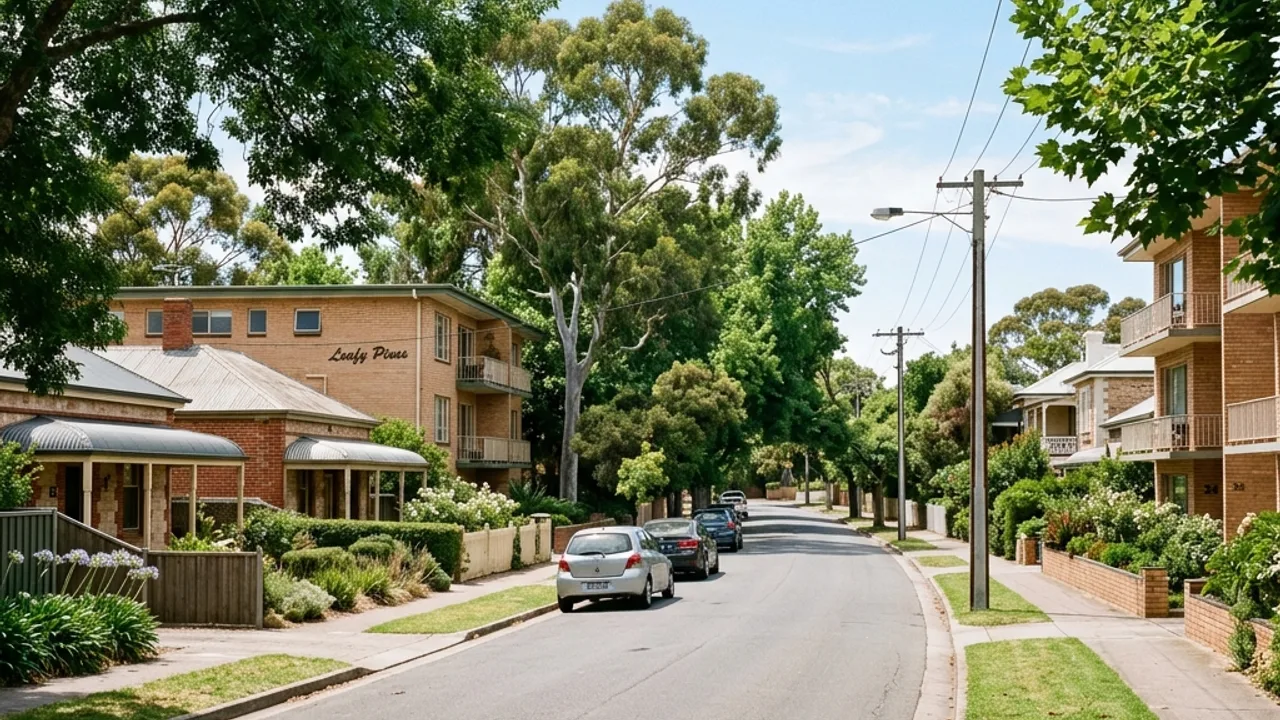
Fairfield station, the shopping centre and nearby parkland give local orientation. Riverside geography should never be used to assert that a particular property has flooded or has unsafe wiring.
The first question
Has this specific installation been wet or damaged?
If yes, report that before anyone handles the equipment and follow official safety advice. If no, focus on the actual symptom or planned fitting and the property access.
What to describe in Fairfield
A Fairfield address near a creek is not evidence of inundation. If a particular outlet, board or appliance was wet, describe when, how and whether it has been used since; do not handle damaged equipment to gather more detail. If there was no water event, focus on the actual symptom, affected rooms and access. A planned installation still needs the desired fitting and intended load, not a flood assumption imported from a suburb map.
If the specific property was exposed to floodwater, stormwater or a leak, report what became wet and when. Do not operate suspect equipment just to reproduce a symptom. If there was no water contact, avoid a flood-framed enquiry and describe the actual electrical issue instead. A planned fan or outlet needs a separate brief with intended location and access. Obtain a written scope that distinguishes inspection from repair and clarifies testing and any necessary additional work. The applicable safety response depends on the event at the property, not suburb history.
Two decisions to discuss with a licensed electrical contractor
Fairfield's riverside context can prompt a water-damage question, but it cannot answer it for an individual address. If water actually reached an outlet, board or appliance, describe when that happened and which equipment was affected. Avoid switching it on simply to see whether it still works. If there was no water event, say so and describe the real symptom instead: a room without power, a light that flickers or a planned new fitting. The contractor's investigation should follow those observations, not a flood assumption. A postcode, creek or shopping-centre landmark is useful for finding the property, not assessing the installation.
For a planned fan or outdoor point, identify the proposed location and what will be connected. Ask whether the quote assumes an existing circuit, includes any weather-suitable equipment, and covers testing and making good. If the property is rented, clarify the approval path before an alteration. If water exposure is part of the job, ask how the contractor will assess affected equipment and what remains outside the initial inspection. A price for a simple new fitting should not be compared with a scope that includes diagnosis of a wet circuit. Write down those differences before approving work.
One question to take away
At a Fairfield property, keep a confirmed water event separate from a presumed one. If equipment was wet, ask how the contractor will assess it before use resumes. If it was not, describe the actual trip, flicker or planned fitting. A quote framed around the wrong cause may omit the inspection you really need.