
Local context
Clarify business versus residential use
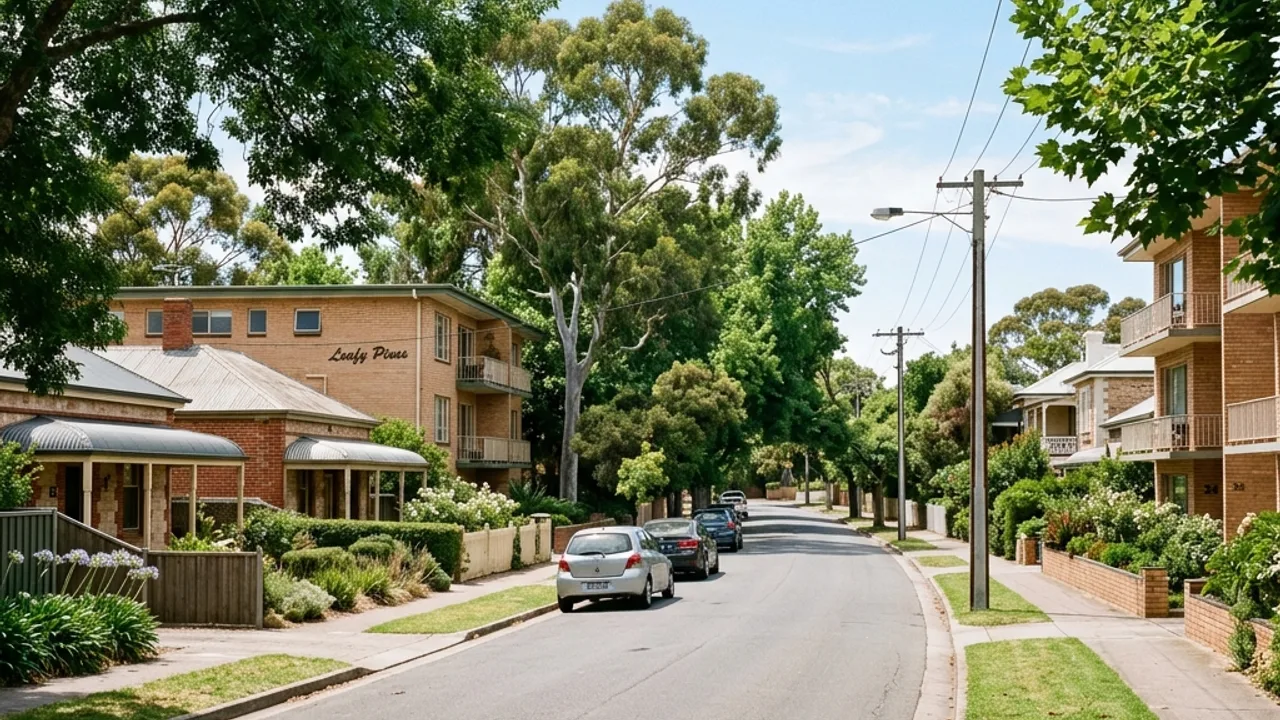
The Gabba and Stanley Street corridor bring homes, apartments and business premises close together. A contractor needs the actual property use, not simply the suburb, to plan attendance and isolation.
The first question
Does the request affect residents, a commercial tenant or both?
Record opening hours, equipment that cannot be interrupted and who authorises an outage. A switchboard scope should identify circuits and protection, not rely on a generic suburb quote.
What to describe in Woolloongabba
Near Stanley Street, a business can specify whether power loss would interrupt refrigeration, point-of-sale equipment or other essential operations. A residence should instead identify the rooms and circuits affected, and a unit should note who can arrange access to a shared board. The Gabba area includes different building uses; it is not a single installation type. Ask for a scope that identifies testing and an outage plan before comparing prices.
In a trading premises, an electrical outage can affect staff, customers and equipment. Tell the contractor what must keep running, who can approve isolation and whether after-hours access is possible; do not assume an appointment is available outside normal hours. In a unit, identify whether a common-area manager holds the board key. A quote for investigation should explain what testing is included and what happens if the cause is still uncertain. For a planned circuit, provide the intended appliance and its specifications before comparing board recommendations.
Two decisions to discuss with a licensed electrical contractor
A Stanley Street business reporting a repeated trip should identify which equipment lost power, whether the interruption affected customers and who can authorise a shutdown. Do not keep resetting a protective device to make a useful report; timing, affected circuits and any smell or heat are enough to explain the concern. The same symptom in a nearby apartment may call for the building manager to identify whether a shared board or supply is involved. In either case, the licensed contractor needs to test the actual installation before saying whether a device, connected appliance or wiring needs attention. The presence of a stadium or commercial corridor does not establish the property's electrical use.
If new equipment is planned for a tenancy, list its specifications and the proposed location before asking for a circuit price. A quote should say whether it includes an assessment of existing protection, any new cable route, isolation planning and testing. For a unit, ask who holds the board-room key and whether body-corporate approval is needed. A price that assumes easy private-board access may not cover a managed room or an agreed out-of-hours interruption. Compare the contractor's explicit assumptions about access and protection, then ask how variations would be approved if the inspected installation differs from the brief.
One question to take away
At a Woolloongabba tenancy, ask the contractor to explain what will be isolated and who needs notice before work starts. If a safety switch has tripped, request the testing plan before approving a replacement device. Those are different questions, and a broad 'electrical works' line item can hide whether either has been addressed.