
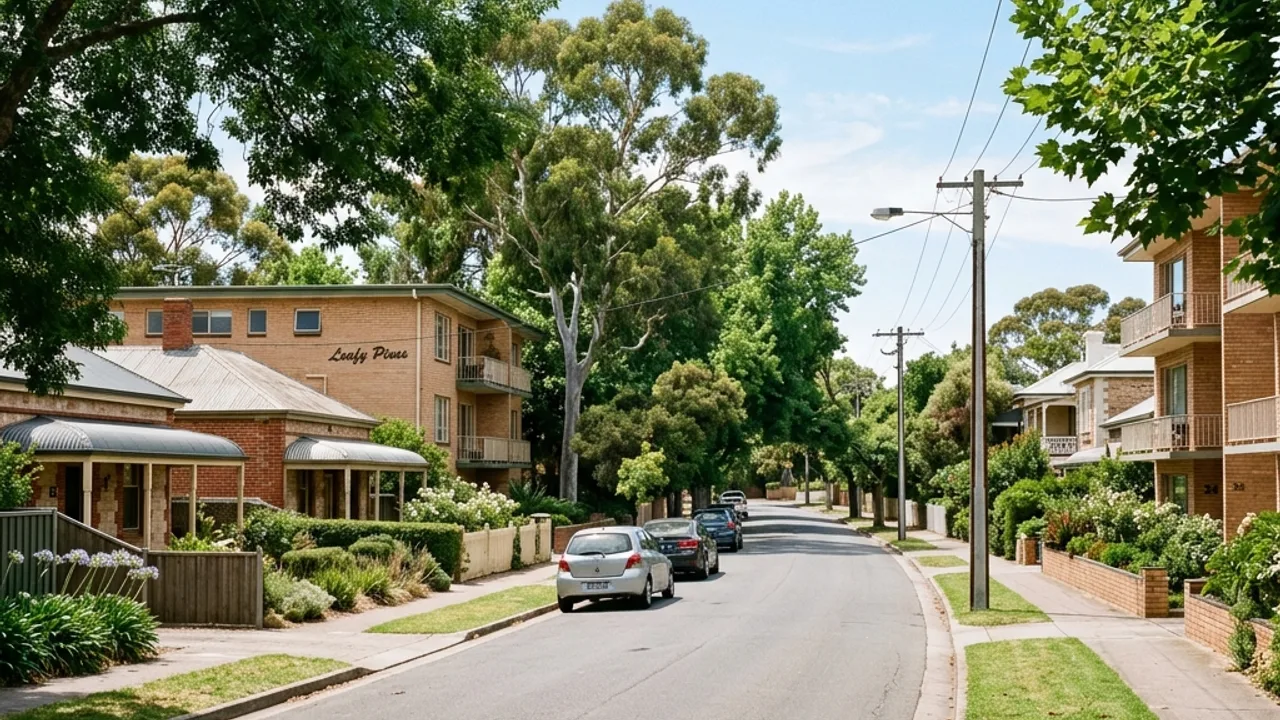
Local context
Do not infer a moisture fault from a creek
Norman Creek and the station are useful orientation points. Their presence does not make water the cause of a flickering light or tripping safety switch at every address.
The first question
Was this particular equipment exposed to water?
If so, report the event and avoid using damaged equipment. Otherwise, describe timing and affected circuits. For planned work, include ceiling or under-house access as relevant.
What to describe in Norman Park
Norman Creek is a landmark, not a remote diagnostic tool. If water reached this exact property or a specific fitting, state the event and avoid use of affected equipment pending advice. Otherwise, record what flickers or trips, at what time and after which activity. A new fan may raise ceiling-support and switching questions unrelated to moisture. Give the property type and entry instructions so a contractor can plan the correct inspection.
A wet-equipment event needs a different response from an ordinary flicker. Give the event date, affected device and whether the area is accessible safely; do not try to test it yourself. Without such an event, explain the symptom and affected rooms without attributing it to Norman Creek. A new fan or light asks different questions about mounting, switching and ceiling access. Request an itemised scope for the actual task, including diagnostic time if a fault is present and testing after any repair.
Two decisions to discuss with a licensed electrical contractor
Norman Creek is a useful landmark, but a flickering light is not automatically a moisture fault. If water reached a particular fitting, appliance or board, give the date and affected area and avoid using suspect equipment. Without an actual water event, describe when the light flickers, what else is on the circuit and whether a protective device has operated. A contractor can then decide what to test. Replacing the visible fitting before investigating may leave the real problem unresolved. The distinction matters more than the distance from a creek or station.
A new ceiling fan raises a separate set of questions: what fitting is there now, what fan is proposed, how is the ceiling reached and is a new wall control wanted? The chosen product and a room photo help explain the request, but cannot establish support or wiring suitability. Ask the installer whether the quote covers mounting, switching, testing and disposal of the old fitting. If the enquiry also includes a recurring fault, keep diagnostic work as a separate line in the scope. A single all-in figure can conceal whether the fault will actually be investigated or only the planned fan will be installed.
One question to take away
If a Norman Park light flickers without a known water event, ask the contractor what it will test before replacing the fitting. If water did reach the equipment, report it and avoid use pending advice. A separate fan installation can still proceed as a planned scope, but it should not absorb an unresolved safety concern.